

Latest Blog
The Hidden Mental Health Crisis Among Working Professionals
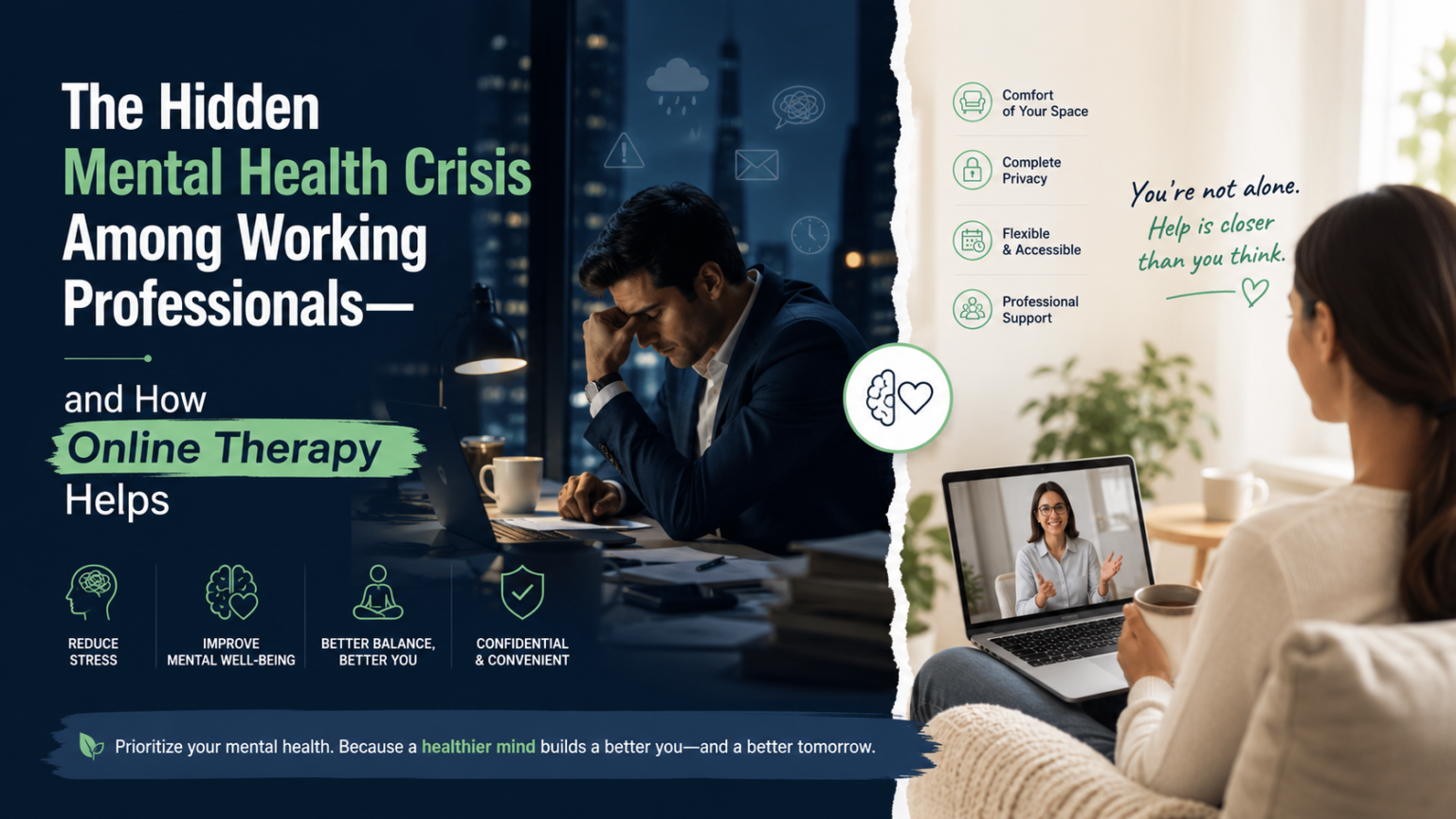
Modern workplaces have become faster, more connected, and increasingly demanding. While technology has improved productivity, it has also blurred the boundaries between work and personal life. Employees are expected to meet tight deadlines, attend virtual meetings across time zones, and remain available long after office hours. Over time, this constant pressure can take a serious toll on mental well-being.
Unfortunately, many professionals suffer in silence. Stress, anxiety, burnout, and depression often go unnoticed because they are mistaken for “just part of the job.” Employees may hesitate to seek help due to stigma, lack of time, or concerns about how therapy could affect their careers.
This is where online therapy has become a valuable solution. Accessible from home, the office, or even while traveling, virtual counseling makes mental health support more convenient than ever before. It removes many traditional barriers to care and empowers working professionals to prioritize their emotional well-being without disrupting their busy schedules.
In this guide, you’ll learn about the growing mental health crisis among working professionals, the warning signs to watch for, and how online therapy helps people regain balance, build resilience, and improve their quality of life.
Understanding the Mental Health Crisis Among Working Professionals
Mental health challenges in the workplace are becoming increasingly common. Professionals across industries—from healthcare and education to technology and finance—face significant emotional demands that can accumulate over time.
Several workplace factors contribute to poor mental health:
- Long working hours
- Heavy workloads
- Tight deadlines
- Job insecurity
- Constant digital connectivity
- High-performance expectations
- Poor work-life balance
- Workplace conflicts
- Limited support from managers
While occasional stress is normal, chronic stress can gradually affect both mental and physical health.
Why Many Professionals Don’t Ask for Help
Despite growing awareness about mental health, many employees continue to avoid seeking professional support. Common reasons include:
| Barrier | Impact |
|---|---|
| Fear of judgment | Employees worry about being perceived as weak. |
| Busy schedules | Finding time for appointments can feel impossible. |
| Financial concerns | Some assume therapy is unaffordable. |
| Privacy worries | Professionals may fear colleagues discovering they are in therapy. |
| Lack of awareness | Many fail to recognize symptoms until they become severe. |
These barriers often delay treatment, allowing symptoms to worsen over time.
Signs Your Mental Health May Be Affected by Work
Recognizing the early warning signs is the first step toward getting help. Mental health issues rarely appear overnight. Instead, they develop gradually and may initially seem like everyday stress.
Emotional Signs
You may notice:
- Persistent anxiety
- Feeling overwhelmed
- Increased irritability
- Mood swings
- Low motivation
- Feeling emotionally exhausted
- Loss of confidence
Physical Signs
Mental health often affects the body. Common symptoms include:
- Frequent headaches
- Muscle tension
- Fatigue
- Poor sleep
- Digestive issues
- Increased heart rate
- Low energy throughout the day
Behavioral Signs
Changes in behavior may include:
- Procrastination
- Difficulty concentrating
- Missing deadlines
- Increased absenteeism
- Social withdrawal
- Reduced productivity
- Greater reliance on alcohol or unhealthy coping habits
Ignoring these signs can eventually lead to burnout or more serious mental health conditions.
What Is Online Therapy?
Online therapy, also known as virtual therapy, teletherapy, or online counseling, is a modern approach to mental health care that allows individuals to connect with licensed mental health professionals through secure digital platforms. Instead of visiting a therapist’s office in person, clients can attend therapy sessions from the comfort of their homes, workplaces, or any private location with an internet connection. Online therapy provides the same professional support and evidence-based treatment methods as traditional face-to-face therapy while offering greater flexibility and convenience for today’s busy lifestyles.
Whether you’re managing stress, anxiety, depression, burnout, relationship issues, or other emotional challenges, online therapy offers a safe, confidential, and accessible way to receive professional guidance. As digital healthcare continues to evolve, more individuals and organizations are embracing online therapy as an effective solution for maintaining mental well-being.
Different Names for Online Therapy
You may come across different terms that refer to online therapy. Although the names vary slightly, they all describe the process of receiving professional mental health support through digital communication.
• Virtual Therapy
Virtual therapy typically refers to therapy sessions conducted through video conferencing platforms that closely replicate traditional face-to-face appointments. During these sessions, therapists and clients can interact in real time, observe facial expressions and body language, and build meaningful therapeutic relationships. Many professionals prefer virtual therapy because it provides a personal experience while eliminating the need to travel to a clinic.
• Teletherapy
Teletherapy is a broader term used to describe mental health services delivered remotely through various communication technologies. These services may include video calls, telephone consultations, secure messaging, or other digital tools. Teletherapy has become especially valuable for people living in remote areas, individuals with mobility challenges, and working professionals who require flexible scheduling.
• Online Counseling
Online counseling generally focuses on providing emotional support, guidance, and practical coping strategies through internet-based communication. Licensed counselors help individuals navigate personal, workplace, academic, or relationship challenges while offering evidence-based interventions. Depending on the platform, online counseling may be available through video sessions, phone calls, or text-based communication.
How Does Online Therapy Work?
Unlike traditional therapy, online therapy allows clients to receive professional mental health care without visiting a physical office. After selecting a therapist or online platform, individuals schedule appointments that fit their availability and connect through secure digital channels. Sessions usually follow the same structure as in-person therapy, including discussing concerns, setting treatment goals, learning coping strategies, and monitoring progress over time.
The process is designed to be simple, confidential, and convenient, making therapy more accessible for individuals with busy schedules or limited access to local mental health services.
Ways to Connect with an Online Therapist
Online therapy offers multiple communication options, allowing individuals to choose the format that best matches their comfort level, lifestyle, and therapeutic needs.
• Video Calls
Video therapy is the most common and widely used form of online therapy because it closely resembles traditional face-to-face counseling. During a scheduled appointment, clients meet with their therapist through a secure video conferencing platform where they can have real-time conversations. This format enables therapists to observe facial expressions, body language, and emotional responses, helping build trust and strengthen the therapeutic relationship. Video sessions are particularly effective for individuals who prefer personal interaction while enjoying the convenience of remote care.
• Phone Calls
Phone therapy provides a flexible alternative for individuals who may not have access to a reliable internet connection or who simply feel more comfortable speaking without being on camera. Clients and therapists communicate through scheduled telephone conversations, allowing individuals to receive professional guidance from virtually any location. This option is especially helpful for busy professionals, frequent travelers, or those seeking greater privacy during their therapy sessions.
• Secure Messaging
Secure messaging allows clients and therapists to communicate through encrypted text-based platforms that protect sensitive personal information. Depending on the service provider, clients may send messages whenever they need support, ask questions between sessions, or share updates about their emotional well-being. Therapists typically respond within agreed-upon timeframes, making secure messaging a valuable option for individuals who prefer expressing themselves through writing or require ongoing support outside scheduled appointments.
• Live Chat
Live chat therapy offers real-time text conversations between clients and therapists without requiring video or voice communication. Similar to instant messaging, this format allows individuals to discuss their concerns, receive immediate feedback, and work through emotional challenges in a comfortable environment. Live chat can be particularly beneficial for people experiencing social anxiety, communication difficulties, or those who feel more confident expressing their thoughts through written conversation.
• Specialized Therapy Platforms
Many licensed therapists now offer services through dedicated online therapy platforms that are specifically designed for mental health care. These platforms often include appointment scheduling, secure video conferencing, encrypted messaging, payment processing, treatment records, and progress tracking within a single system. By combining multiple features into one secure platform, clients can easily manage their therapy journey while maintaining privacy and confidentiality throughout the treatment process.
Who Provides Online Therapy?
Online therapy is delivered by qualified and licensed mental health professionals who have received specialized education, clinical training, and professional certification. Depending on your needs, you may work with psychologists, licensed professional counselors, clinical social workers, marriage and family therapists, or psychiatrists who provide mental health assessments, counseling, and treatment. These professionals follow ethical guidelines and use evidence-based therapeutic approaches to help clients improve their mental well-being.
Before beginning therapy, it is important to verify that your therapist holds the appropriate professional license, has experience treating your specific concerns, and practices through secure, confidential platforms that comply with applicable privacy regulations.
Evidence-Based Approaches Used in Online Therapy
One common misconception is that online therapy differs significantly from traditional counseling. In reality, licensed therapists use many of the same research-backed treatment methods during virtual sessions as they do in face-to-face appointments. The primary difference is the method of communication rather than the quality of care.
Some commonly used therapeutic approaches include:
Cognitive Behavioral Therapy (CBT): Helps individuals identify and change negative thought patterns and behaviors that contribute to stress, anxiety, and depression.
Mindfulness-Based Therapy: Encourages present-moment awareness and teaches techniques for managing stress, emotional regulation, and overall well-being.
Acceptance and Commitment Therapy (ACT): Helps clients accept difficult emotions while focusing on actions that align with their personal values and long-term goals.
Solution-Focused Brief Therapy (SFBT): Concentrates on practical solutions and achievable goals rather than dwelling solely on problems.
Dialectical Behavior Therapy (DBT): Teaches emotional regulation, distress tolerance, interpersonal effectiveness, and mindfulness skills, particularly for individuals experiencing intense emotions.
Why Online Therapy Has Become Increasingly Popular
The demand for online therapy has grown rapidly over the past several years as more people recognize the importance of mental health and seek flexible treatment options. Advances in digital technology, increased awareness of mental well-being, and changing work environments have all contributed to the widespread adoption of virtual mental health services.
Today, online therapy is chosen by students, parents, remote workers, business leaders, healthcare professionals, and individuals from many other backgrounds because it makes accessing professional support simpler and more convenient than ever before.
Key Reasons for Its Growing Popularity
Greater flexibility for busy schedules.
Easy access to licensed therapists regardless of location.
Reduced travel time and associated costs.
Increased privacy and comfort.
Wider choice of mental health specialists.
Continuity of care while traveling or relocating.
Convenient access for individuals living in rural or underserved communities.
Better integration of mental health care into everyday life.
Online therapy continues to reshape the way mental health services are delivered, making professional support more accessible, inclusive, and adaptable to the needs of modern individuals and working professionals.
How Online Therapy Helps Working Professionals
Today’s professionals often juggle demanding workloads, tight deadlines, and personal responsibilities. Finding time to care for mental health can feel like another task on an already full schedule. This is where online therapy offers a practical and effective solution. By making professional mental health support more accessible, flexible, and convenient, it empowers individuals to manage stress, improve emotional well-being, and maintain a healthier work-life balance. Below are some of the key ways online therapy helps working professionals thrive both personally and professionally.
1. Greater Accessibility
One of the biggest advantages of online therapy is its accessibility. Traditional therapy often requires commuting to a clinic, taking time off work, or waiting weeks for an appointment. Online therapy removes many of these barriers by allowing professionals to connect with licensed therapists from virtually anywhere. Whether you’re working from home, traveling for business, or living in an area with limited mental health services, virtual sessions make it easier to receive timely support without disrupting your daily routine.
Key Benefits:
Attend sessions from home, the office, or while traveling.
Choose from a wider network of licensed therapists.
Eliminate commuting time and transportation challenges.
Access therapy even if you live in remote or underserved areas.
Schedule appointments that fit around your work commitments.
2. Improved Privacy and Confidentiality
Many employees hesitate to seek therapy because they worry about being judged by coworkers or employers. Online therapy provides a greater sense of privacy by allowing sessions to take place in a location where you feel safe and comfortable. Reputable online therapy platforms use encrypted communication and secure technology to protect personal information, helping clients discuss sensitive topics with confidence. This level of confidentiality encourages more professionals to seek support before their mental health concerns become more serious.
Key Benefits:
Participate in therapy from a private location of your choice.
Reduce concerns about being seen at a therapist’s office.
Communicate through secure and encrypted platforms.
Feel more comfortable discussing personal challenges.
Maintain confidentiality while balancing professional responsibilities.
3. Better Work-Life Balance
Maintaining a healthy work-life balance is one of the greatest challenges for today’s professionals. Long working hours and constant digital connectivity can leave little room for self-care. Online therapy helps individuals identify unhealthy work habits, establish realistic boundaries, and prioritize personal well-being. Therapists work with clients to develop strategies that reduce stress, improve time management, and create healthier routines. As a result, professionals often feel more energized, focused, and present in both their careers and personal lives.
Key Benefits:
Learn to establish healthy boundaries between work and personal life.
Improve time management and daily routines.
Reduce feelings of overwhelm and emotional exhaustion.
Create sustainable self-care habits.
Strengthen relationships with family and friends.
4. Reduced Stress and Anxiety
Work-related stress and anxiety can negatively affect concentration, productivity, and overall health. Online therapy provides a supportive environment where professionals can identify the root causes of their stress rather than simply managing the symptoms. Therapists use evidence-based techniques such as Cognitive Behavioral Therapy (CBT), mindfulness, relaxation exercises, and problem-solving strategies to help clients build healthier coping mechanisms. Over time, these skills can increase emotional resilience and improve confidence when facing workplace challenges.
Key Benefits:
Identify workplace stress triggers.
Learn practical coping strategies for anxiety.
Practice mindfulness and relaxation techniques.
Improve emotional regulation during high-pressure situations.
Build resilience to manage future workplace challenges.
5. Support During Career Transitions
Career changes can be exciting, but they often bring uncertainty and emotional pressure. Whether you’re starting a new role, accepting a promotion, changing industries, returning to work after a career break, or coping with job loss, these transitions can significantly impact mental well-being. Online therapy offers professional guidance during these periods by helping individuals process emotions, manage uncertainty, and develop confidence in their decision-making. Having consistent support throughout a career transition can make adapting to change less stressful and more manageable.
Key Benefits:
Navigate career changes with greater confidence.
Manage stress associated with promotions or increased responsibilities.
Cope with job loss or workplace restructuring.
Build confidence when entering a new industry or role.
Develop emotional resilience during periods of uncertainty.
6. Flexible Scheduling for Busy Professionals
One of the most common reasons professionals postpone therapy is the lack of time. Online therapy addresses this challenge by offering flexible appointment options, including early morning, evening, and weekend sessions. Many platforms also allow users to book appointments online, making scheduling quick and convenient. This flexibility enables professionals to prioritize their mental health without sacrificing work commitments or personal responsibilities.
Key Benefits:
Schedule sessions before or after work.
Access evening and weekend appointments.
Avoid taking unnecessary leave from work.
Easily reschedule appointments when needed.
Integrate therapy into a busy lifestyle.
7. Improved Emotional Resilience
Every professional experiences setbacks, workplace conflicts, and unexpected challenges. Emotional resilience is the ability to recover from these difficulties while maintaining a positive outlook. Online therapy helps individuals strengthen this resilience by teaching practical skills such as emotional regulation, adaptive thinking, and healthy coping strategies. As resilience improves, professionals are better equipped to handle pressure, overcome obstacles, and maintain productivity during difficult periods.
Key Benefits:
Respond more effectively to workplace challenges.
Develop healthier coping mechanisms.
Improve self-confidence and emotional stability.
Strengthen problem-solving skills.
Recover more quickly from setbacks.
8. Better Communication and Workplace Relationships
Strong communication is essential for career success, yet stress and anxiety can make workplace interactions more challenging. Online therapy helps professionals improve communication skills by increasing self-awareness, emotional intelligence, and conflict-resolution abilities. Therapists can also help clients develop assertiveness, manage difficult conversations, and build healthier relationships with colleagues, managers, and clients, leading to a more positive and collaborative work environment.
Key Benefits:
Improve communication with colleagues and supervisors.
Develop stronger conflict-resolution skills.
Build emotional intelligence.
Increase confidence in difficult conversations.
Foster healthier professional relationships.
9. Continuous Support for Long-Term Mental Well-Being
Mental health is an ongoing journey rather than a one-time goal. Online therapy provides consistent support that helps professionals maintain emotional well-being even after immediate challenges have been addressed. Regular sessions allow individuals to monitor their progress, adjust coping strategies, and continue developing skills that promote resilience and personal growth. This proactive approach can help prevent future mental health concerns while supporting long-term career success and overall life satisfaction.
Key Benefits:
Receive ongoing guidance from a licensed therapist.
Monitor progress toward personal and professional goals.
Prevent stress from developing into burnout.
Continue building healthy coping strategies.
Support long-term emotional wellness and career growth.
10. Increased Productivity and Job Satisfaction
When mental health improves, workplace performance often improves as well. Employees who feel emotionally supported are generally more focused, motivated, and engaged in their work. Online therapy helps professionals manage stress, improve concentration, and maintain a healthier perspective on workplace challenges. As a result, many individuals experience higher productivity, greater job satisfaction, and improved overall performance, benefiting both their personal well-being and their professional success.
Key Benefits:
Improve focus and concentration.
Increase motivation and workplace engagement.
Reduce absenteeism caused by stress.
Make better decisions under pressure.
Enhance overall job satisfaction and career performance.
Online Therapy vs. In-Person Therapy: Which Is Right for Working Professionals?
Choosing between online therapy and traditional in-person therapy is an important decision, especially for busy professionals balancing demanding careers and personal responsibilities. Both approaches provide access to qualified mental health professionals and use evidence-based therapeutic techniques. However, they differ in terms of convenience, accessibility, flexibility, and the overall therapy experience.
Understanding these differences can help you select the option that best fits your lifestyle, mental health needs, and personal preferences.
Online Therapy vs. In-Person Therapy: A Comparison
| Feature | Online Therapy | In-Person Therapy |
|---|---|---|
| Accessibility | Attend sessions from anywhere with an internet connection. | Requires travel to a therapist’s office. |
| Flexibility | Offers morning, evening, and weekend appointments. | Appointment availability may be more limited. |
| Travel Time | No commuting required. | Travel can increase time and expenses. |
| Privacy | Sessions can be attended from a private location. | Requires visiting a physical clinic. |
| Therapist Options | Access specialists across a wider geographic area (subject to licensing rules). | Choice may be limited to local providers. |
| Technology | Requires a stable internet connection and a compatible device. | No internet or technology needed during sessions. |
| Best For | Busy professionals, remote workers, caregivers, and frequent travelers. | Individuals who prefer face-to-face interaction or require certain specialized services. |
Although both approaches are effective for many people, the right choice depends on your individual circumstances and the type of support you need.
Is Online Therapy Effective?
One of the most common questions people ask before starting virtual counseling is whether it is as effective as traditional therapy. The reassuring answer is that, for many common mental health concerns, online therapy can deliver meaningful results when provided by a licensed mental health professional using evidence-based therapeutic approaches.
Online therapy has become a trusted option for managing stress, anxiety, depression, burnout, and relationship challenges. It also helps individuals develop healthier coping strategies, improve emotional resilience, and achieve long-term mental wellness.
Why Online Therapy Works
Several factors contribute to the effectiveness of online therapy.
• Consistent Access to Professional Support
Regular therapy sessions play an important role in emotional growth. Online therapy makes it easier to maintain consistent appointments because clients don’t have to commute or rearrange their entire workday. This consistency often leads to better engagement and continued progress toward treatment goals.
• Comfortable Environment
Many individuals feel more relaxed when speaking from their own homes or another familiar setting. Feeling comfortable can make it easier to discuss personal experiences, difficult emotions, and workplace challenges openly, strengthening the therapeutic relationship.
• Evidence-Based Treatment Methods
Licensed therapists use the same evidence-based approaches during online sessions that they use in traditional office settings. Depending on your needs, therapy may include Cognitive Behavioral Therapy (CBT), Acceptance and Commitment Therapy (ACT), Mindfulness-Based Therapy, Solution-Focused Therapy, or other proven techniques designed to improve emotional well-being.
• Improved Appointment Attendance
Busy professionals often postpone therapy because of travel time or scheduling conflicts. Since online therapy is easier to fit into daily routines, many clients attend sessions more consistently, which can improve treatment outcomes over time.
Who Can Benefit Most from Online Therapy?
Online therapy is designed to support people from many different backgrounds. While anyone seeking emotional support may benefit, certain groups often find virtual counseling especially valuable because of its convenience and flexibility.
Working Professionals
Employees managing demanding workloads, long hours, frequent meetings, and workplace stress can use online therapy to develop healthier coping strategies without interrupting their careers. Flexible scheduling allows therapy to fit around work commitments, making it easier to prioritize mental health.
Remote and Hybrid Workers
Working from home offers flexibility, but it can also create feelings of isolation, blurred work-life boundaries, and digital fatigue. Online therapy helps remote workers manage loneliness, improve daily routines, and maintain emotional balance.
Business Owners and Entrepreneurs
Running a business often involves financial pressure, long working hours, difficult decisions, and constant responsibility. Therapy provides entrepreneurs with a confidential space to manage stress, prevent burnout, and strengthen resilience during periods of uncertainty.
Students and Young Professionals
Transitioning from education into the workforce can be overwhelming. Young professionals frequently experience career uncertainty, performance anxiety, and work-related stress. Online therapy helps build confidence, improve coping skills, and support emotional well-being during this important stage of life.
Parents and Caregivers
Balancing work responsibilities with parenting or caregiving duties can leave little time for self-care. Online therapy offers convenient access to professional support without requiring additional travel or childcare arrangements.
Individuals Living in Rural or Underserved Areas
People living in remote communities may have limited access to local mental health professionals. Online therapy expands access by connecting individuals with licensed therapists who may not be available in their immediate area.
How to Choose the Right Online Therapist
Finding the right therapist is one of the most important steps in your mental health journey. A strong therapeutic relationship built on trust, communication, and mutual understanding often contributes significantly to positive outcomes.
1. Verify Professional Credentials
Choose a therapist who is appropriately licensed and qualified to provide mental health services in your region. Professional credentials indicate that the therapist has completed the necessary education, clinical training, and ethical requirements.
2. Look for Relevant Experience
Different therapists specialize in different areas. If you’re experiencing workplace burnout, anxiety, depression, trauma, or relationship difficulties, look for someone with experience treating those concerns.
3. Understand Their Therapeutic Approach
Ask which treatment methods they commonly use. A therapist should be able to explain their approach in clear, understandable language and discuss how it may help you achieve your goals.
4. Consider Communication Style
Some people prefer a structured, goal-oriented therapist, while others value a more conversational and supportive approach. Feeling comfortable communicating with your therapist is essential for building trust and making progress.
5. Evaluate Scheduling Flexibility
Working professionals often need appointments outside traditional business hours. Look for therapists who offer evening, early morning, or weekend sessions that fit your schedule.
6. Review Privacy and Security Practices
Ensure the platform uses secure technology to protect your personal information and confidential conversations. Understanding how your information is stored and shared can help you feel more confident about beginning therapy.
How to Prepare for Your First Online Therapy Session
Starting therapy for the first time can feel both exciting and nerve-wracking. Preparing in advance can help you feel more comfortable and make the most of your first appointment.
Find a Quiet, Private Space
Choose a location where you won’t be interrupted during the session. A quiet room with good lighting and minimal background noise creates a more comfortable environment for open conversation.
Test Your Technology
Before your appointment, check your internet connection, camera, microphone, and headphones. Logging in a few minutes early can help avoid unnecessary technical difficulties.
Think About Your Goals
Take a few minutes to reflect on why you’re seeking therapy. You don’t need to have all the answers, but identifying your main concerns—such as workplace stress, anxiety, burnout, or relationship challenges—can help guide the conversation.
Be Honest and Open
Remember that therapy is a confidential space designed to support you without judgment. Being honest about your experiences, emotions, and concerns allows your therapist to better understand your needs and provide appropriate guidance.
Keep an Open Mind
Progress takes time. Some sessions may feel emotional, while others may focus on learning practical skills. Staying open to the process and practicing strategies between sessions can contribute to meaningful, long-term improvements.
Final Thoughts
Investing in mental health is one of the most valuable decisions a working professional can make. By offering accessible, flexible, and confidential support, online therapy helps individuals overcome workplace challenges, strengthen emotional resilience, and achieve a healthier balance between their professional and personal lives. Whether you’re experiencing stress, anxiety, burnout, or navigating a major career transition, seeking professional support can be an important step toward improved well-being and long-term success.