

Latest Blog
Why Young Indians Feel More Lonely Than Ever
Introduction
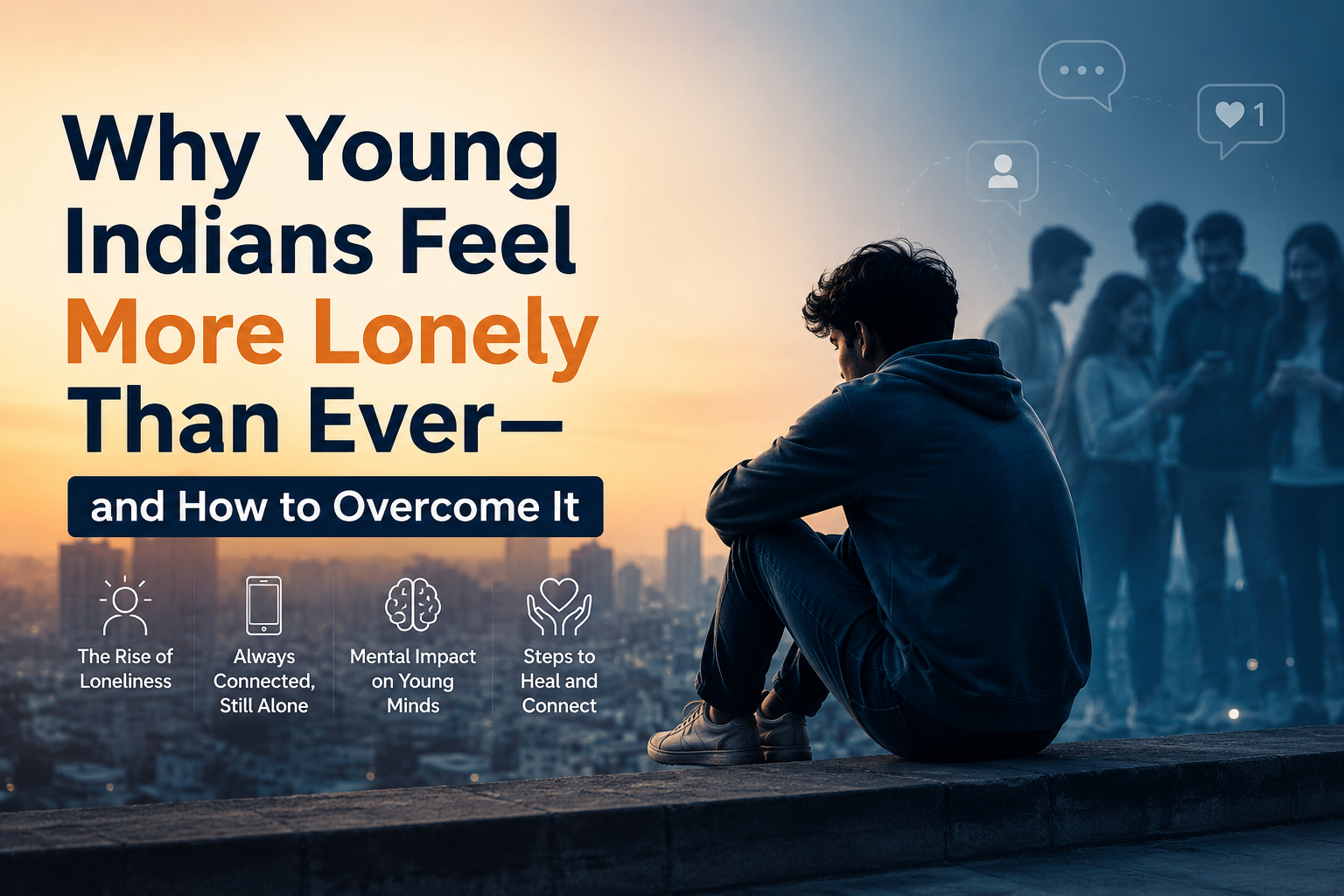
Loneliness has quietly become one of the biggest emotional challenges facing India’s younger generation. Although today’s youth are more connected through smartphones, social media platforms, messaging apps, and video calls than ever before, many still report feeling isolated. This contradiction raises an important question: Why Young Indians Feel More Lonely Than Ever—and How to Overcome It.
Loneliness is not simply the absence of people around us. Instead, it is the feeling that meaningful emotional connections are missing. A student living in a busy hostel, a young professional working in Bengaluru, or a freelancer in Delhi can all experience loneliness despite interacting with hundreds of people every day.
Modern lifestyles have changed dramatically. Career ambitions, academic competition, relocation, digital communication, and changing family structures have reshaped how people build relationships. As a result, many young Indians struggle to maintain deep friendships and supportive communities.
The good news is that loneliness can be managed. With awareness, healthy habits, and meaningful relationships, individuals can build stronger emotional resilience and improve their overall well-being.
Understanding Loneliness
Loneliness is an emotional state where a person feels disconnected from others, even if surrounded by people.
Many assume loneliness only affects elderly individuals. However, recent studies show young adults often report higher levels of loneliness than older generations.
Loneliness vs Being Alone
Being alone is a physical condition.
Loneliness is an emotional experience.
Someone can happily enjoy solitude by reading a book or taking a peaceful walk. Conversely, a person attending parties every weekend may still feel emotionally isolated.
Why It Matters
Persistent loneliness affects more than emotions.
Research has linked chronic loneliness to:
Anxiety
Depression
Low self-esteem
Poor concentration
Reduced productivity
Heart disease risk
Weak immune function
Poor sleep quality
Recognizing loneliness early helps prevent more serious mental health challenges.
Why Young Indians Feel More Lonely Than Ever
Several interconnected factors explain Why Young Indians Feel More Lonely Than Ever—and How to Overcome It.
Digital Lifestyle
Technology offers convenience but often replaces meaningful conversations.
Many people compare their real lives with carefully edited social media content. This comparison creates feelings of inadequacy.
Common digital habits include:
Endless scrolling
Fear of missing out (FOMO)
Online validation seeking
Superficial conversations
Reduced face-to-face interaction
Ironically, greater online connectivity often results in emotional disconnection.
Academic and Career Pressure
India’s education and employment systems are highly competitive.
Students prepare for exams such as:
UPSC
JEE
NEET
CAT
GATE
Long study hours leave little time for friendships.
Similarly, young professionals work demanding schedules that reduce opportunities for social engagement.
Success becomes the priority while emotional health receives less attention.
Urbanization and Migration
Millions of young Indians leave their hometowns every year.
They relocate for:
Higher education
Better jobs
Professional growth
While cities offer opportunities, they often lack strong community networks.
Living away from family means fewer emotional support systems.
Changing Relationships
Modern dating has become increasingly complex.
Dating apps provide more choices but can also encourage short-term interactions.
Friendships may weaken because of:
Busy schedules
Frequent relocation
Career priorities
Digital communication replacing personal meetings
As expectations rise, emotional satisfaction sometimes declines.
Signs of Loneliness
Recognizing loneliness early makes recovery easier.
Common signs include:
| Emotional Signs | Behavioral Signs |
|---|---|
| Feeling empty | Avoiding social events |
| Low motivation | Excessive phone use |
| Irritability | Sleeping too much |
| Hopelessness | Constant online activity |
| Anxiety | Loss of hobbies |
Additional symptoms include:
Difficulty trusting others
Feeling misunderstood
Lack of purpose
Emotional exhaustion
Increased negative thinking
These signs should not be ignored if they continue for several weeks.
Effects on Mental and Physical Health
Loneliness affects both mind and body.
Anxiety and Depression
Long-term loneliness increases stress hormones.
Individuals may begin overthinking social situations, doubting themselves, or withdrawing completely.
Without support, loneliness can contribute to anxiety disorders and depression.
Sleep Problems
Lonely individuals often experience:
Insomnia
Interrupted sleep
Poor sleep quality
Daytime fatigue
Poor sleep then worsens emotional regulation.
Physical Health
Research suggests chronic loneliness contributes to:
High blood pressure
Weakened immunity
Increased inflammation
Heart disease risk
Mental and physical health are closely connected.
10 Proven Ways to Overcome Loneliness
The encouraging news is that loneliness can be reduced through intentional action.
1. Prioritize Quality Relationships
One of the most effective ways to overcome loneliness is to focus on the quality of your relationships rather than the number of people you know. Having a few trustworthy friends who genuinely listen and support you is far more valuable than having hundreds of social media connections. Strong relationships provide emotional security, reduce stress, and help you feel understood during difficult times. Invest time in nurturing friendships by staying in touch, celebrating important moments together, and being present when someone needs you. Meaningful relationships grow through trust, honesty, and consistent communication.
Practical Tips:
- Spend quality time with close friends and family.
- Make regular phone or video calls.
- Listen actively instead of just waiting to respond.
- Be honest about your feelings.
- Show appreciation for the people who support you.
2. Schedule Regular Social Activities
Building meaningful relationships requires consistency. Instead of waiting for others to make plans, take the initiative to organize regular social activities. Whether it’s a weekly coffee meetup, a weekend cricket match, or a monthly family dinner, routine interactions help strengthen emotional bonds over time. Even small gatherings create opportunities for laughter, conversation, and shared memories, which naturally reduce feelings of isolation.
Practical Tips:
- Arrange weekly coffee or lunch meetups.
- Join friends for evening walks.
- Plan monthly family gatherings.
- Celebrate birthdays and special occasions together.
- Participate in community events whenever possible.
3. Limit Social Media and Practice a Digital Detox
While social media helps people stay connected, excessive use often increases feelings of loneliness. Constant exposure to carefully edited photos and success stories can lead to unhealthy comparisons and fear of missing out (FOMO). Reducing screen time allows you to focus on genuine, face-to-face interactions that provide deeper emotional satisfaction. A balanced digital lifestyle creates more room for hobbies, conversations, and meaningful experiences.
Practical Tips:
- Set daily screen-time limits.
- Avoid checking social media immediately after waking up.
- Keep your phone away during meals.
- Turn off unnecessary notifications.
- Spend your free time on offline activities.
4. Join Clubs, Communities, or Volunteer Groups
Participating in community activities is one of the fastest ways to meet people with similar interests. Whether you enjoy sports, reading, photography, music, or volunteering, joining a group provides regular opportunities to connect with others naturally. Shared interests often lead to lasting friendships because conversations become easier and more enjoyable. Volunteering also creates a sense of purpose while helping others, which significantly improves emotional well-being.
Practical Tips:
- Join a local sports club.
- Attend book clubs or hobby groups.
- Volunteer for community service projects.
- Participate in cultural or college events.
- Take part in workshops or skill-development classes.
5. Improve Your Communication Skills
Healthy relationships depend on effective communication. Many people experience loneliness not because they lack company, but because they struggle to express their thoughts and emotions. Developing communication skills helps build trust and strengthens personal connections. Being a good listener, asking thoughtful questions, and showing empathy encourage deeper conversations and make others feel valued. Over time, these habits lead to stronger friendships and greater emotional support.
Practical Tips:
- Practice active listening.
- Maintain eye contact during conversations.
- Ask open-ended questions.
- Avoid interrupting others.
- Express gratitude and appreciation regularly.
6. Exercise Regularly
Physical activity benefits both your body and your mind. Exercise releases endorphins, often called “feel-good hormones,” which improve mood and reduce stress. It also boosts self-confidence and energy levels, making social interactions feel less intimidating. Joining a gym, participating in group fitness classes, or playing team sports provides opportunities to meet new people while maintaining a healthy lifestyle.
Practical Tips:
- Walk for at least 30 minutes daily.
- Join a local gym or fitness class.
- Practice yoga or meditation.
- Play team sports like football or badminton.
- Invite a friend to exercise with you.
7. Practice Gratitude Every Day
Gratitude shifts your focus from what is missing in your life to what you already have. When people regularly appreciate positive experiences and supportive relationships, they become more optimistic and emotionally resilient. Keeping a gratitude journal can help you recognize the kindness of others and strengthen your existing relationships. This simple daily habit has been shown to improve mental well-being and reduce feelings of loneliness over time.
Practical Tips:
- Write down three things you’re grateful for each day.
- Thank people who help or support you.
- Celebrate small achievements.
- Focus on positive experiences instead of disappointments.
- Reflect on meaningful moments before bedtime.
8. Seek Professional Support When Needed
If loneliness becomes persistent and starts affecting your daily life, speaking with a mental health professional can make a significant difference. Therapists and counselors provide a safe, non-judgmental environment where you can discuss your emotions and develop healthy coping strategies. Seeking professional help is a sign of strength, not weakness. Early support can prevent loneliness from developing into more serious mental health conditions such as anxiety or depression.
Practical Tips:
- Talk to a licensed therapist or counselor.
- Use campus or workplace counseling services.
- Join support groups if available.
- Learn healthy coping techniques through therapy.
- Reach out for help before feelings become overwhelming.
9. Strengthen Family Connections
Family often provides the strongest emotional support during challenging times. Although busy schedules and relocation may reduce daily interactions, making an effort to stay connected with family members can significantly reduce loneliness. Simple conversations, shared meals, and regular check-ins create a sense of belonging and remind you that you are valued and supported. Even a short phone call can strengthen emotional bonds and improve your mood.
Practical Tips:
- Call your parents or siblings regularly.
- Eat meals together whenever possible.
- Share updates about your daily life.
- Celebrate festivals and family traditions.
- Resolve conflicts through open communication.
10. Practice Self-Compassion and Self-Care
Learning to enjoy your own company is an important step in overcoming loneliness. Self-compassion means treating yourself with kindness instead of harsh self-criticism, especially during difficult moments. Taking care of your physical and emotional health builds confidence and helps you develop a more positive outlook on life. When you value yourself, it becomes easier to build healthy relationships with others. Remember that everyone experiences loneliness at some point, and it does not define your worth.
Practical Tips:
- Speak to yourself with kindness and patience.
- Get enough sleep every night.
- Eat a balanced and nutritious diet.
- Make time for hobbies you enjoy.
- Celebrate your personal growth and achievements.
- Practice mindfulness or meditation to reduce stress.
These strategies work best when practiced consistently. Overcoming loneliness is rarely about making one dramatic change—it is about taking small, intentional steps every day to build meaningful relationships, care for your mental health, and create a stronger sense of belonging.
Frequently Asked Questions (FAQs)
1. Why are young Indians feeling lonelier today?
Factors include social media, career competition, migration, changing family structures, and reduced face-to-face interactions.
2. Is loneliness the same as depression?
No.
Loneliness is an emotional feeling of disconnection, while depression is a clinical mental health condition. However, prolonged loneliness can increase the risk of depression.
3. Can social media increase loneliness?
Yes.
Excessive use may encourage comparison, reduce real-world interactions, and create unrealistic expectations about others’ lives.
4. How can students overcome loneliness?
Students can join clubs, participate in campus activities, maintain family contact, build study groups, and seek counseling when needed.
5. Should I seek therapy if I feel lonely?
If loneliness continues for weeks or interferes with daily life, speaking with a mental health professional is recommended.
6. What is the fastest way to reduce loneliness?
Reconnect with trusted friends or family, engage in community activities, reduce excessive screen time, and maintain regular physical activity. Small, consistent actions usually produce lasting improvements.
Conclusion
Understanding Why Young Indians Feel More Lonely Than Ever—and How to Overcome It is the first step toward meaningful change. Although technology has transformed communication, genuine human connection still depends on empathy, trust, and shared experiences. Academic pressure, career demands, migration, and evolving social norms have made it easier to feel isolated despite constant digital connectivity.
The encouraging reality is that loneliness is not permanent. By nurturing quality relationships, participating in communities, maintaining healthy digital habits, exercising regularly, and seeking professional support when needed, young Indians can build stronger emotional resilience and enjoy richer, more fulfilling lives. Every meaningful conversation, shared experience, and act of self-compassion contributes to a healthier future where connection replaces isolation.