

Latest Blog
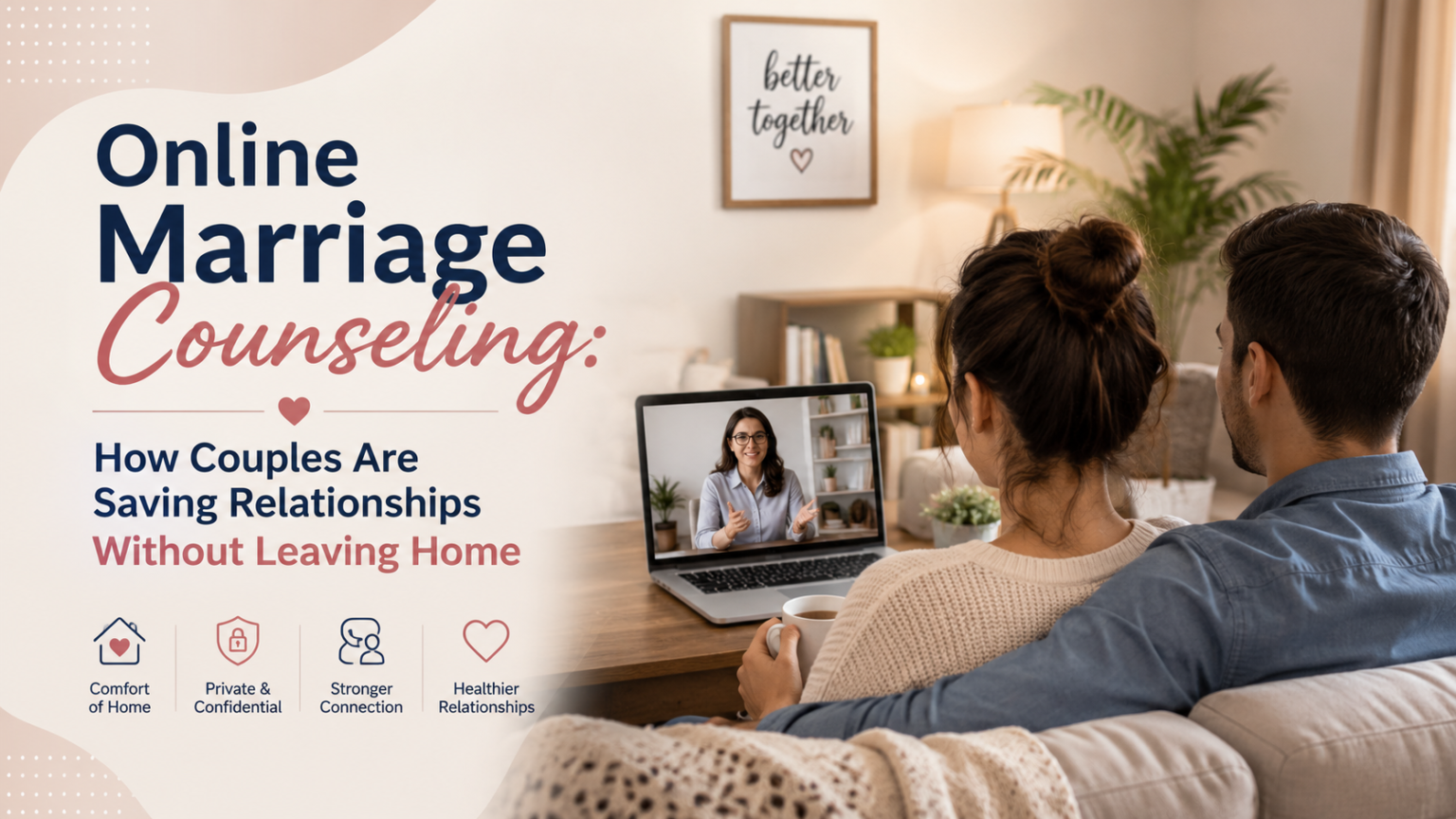
Online Marriage Counseling: How Couples Are Saving Relationships Without Leaving Home
Introduction
Relationships can be deeply rewarding, but they also require effort, patience, and consistent communication. Every couple faces challenges at some point, whether they involve communication problems, financial disagreements, parenting conflicts, or emotional distance. While these issues are common, many couples hesitate to seek professional help because of busy schedules, transportation challenges, or concerns about privacy.
Fortunately, online marriage counseling has transformed the way couples receive professional relationship support. Instead of traveling to a therapist’s office, partners can now connect with licensed counselors through secure video calls, phone sessions, or even live messaging from the comfort of their own homes.
Over the past several years, online marriage counseling has become increasingly popular because it combines convenience with professional guidance. Couples can attend sessions after work, during lunch breaks, or even while traveling. This flexibility removes many of the barriers that once prevented people from seeking relationship counseling.
Another reason many couples choose online marriage counseling is that it offers a comfortable environment. Discussing sensitive topics is often easier when partners are in familiar surroundings rather than sitting in an unfamiliar office. As a result, many people feel more relaxed and willing to communicate honestly.
In this comprehensive guide, you’ll discover how online counseling works, why it’s effective, the benefits it offers, common relationship issues it addresses, and how to choose the right counselor for your unique situation.
What Is Online Marriage Counseling?
Definition and Purpose
Online marriage counseling is a professional therapy service that helps married couples or committed partners improve their relationships through internet-based communication platforms. Sessions are conducted using secure video conferencing, phone calls, or encrypted messaging systems.
The primary purpose of online counseling is to help couples:
- Improve communication
- Resolve recurring conflicts
- Build emotional intimacy
- Restore trust
- Develop healthier relationship habits
- Strengthen long-term commitment
Licensed marriage therapists use evidence-based techniques similar to those used during traditional face-to-face counseling sessions. The only major difference is the method of communication.
Professional counselors create a safe environment where both partners can openly express thoughts and feelings without fear of judgment. Over time, these conversations help couples better understand one another while developing practical solutions to everyday relationship challenges.
How It Differs from Traditional Therapy
Although the therapeutic methods remain largely the same, online counseling offers several unique advantages over conventional office visits.
| Traditional Counseling | Online Marriage Counseling |
|---|---|
| Office appointments | Attend from home |
| Travel required | No commuting |
| Limited office hours | Flexible scheduling |
| Waiting rooms | Greater privacy |
| Location restrictions | Access from almost anywhere |
Traditional therapy often requires planning transportation, arranging childcare, and adjusting work schedules. By comparison, online sessions eliminate these logistical barriers, making it easier for couples to remain committed to therapy.
Technology has also improved significantly. Secure video platforms provide high-quality communication while protecting confidential conversations through encrypted connections.
As a result, many therapists now offer both in-person and virtual sessions, allowing couples to choose the format that best fits their lifestyle.
Why More Couples Are Choosing Online Marriage Counseling
Modern lifestyles are busier than ever. Between careers, parenting responsibilities, household obligations, and personal commitments, finding time for therapy can feel nearly impossible. Online marriage counseling offers a practical solution.
Convenience and Accessibility
Perhaps the greatest advantage is convenience.
Instead of spending time driving across town, searching for parking, or sitting in waiting rooms, couples simply log in from their preferred location.
This accessibility particularly benefits:
- Working professionals
- Parents with young children
- Military families
- Long-distance couples
- Individuals living in rural communities
- Couples with mobility challenges
Even partners who live in different cities can attend the same counseling session simultaneously.
Greater Privacy
Privacy remains one of the biggest concerns for couples seeking therapy.
Some individuals worry about being recognized while entering a counseling office or discussing personal matters in public settings.
Online counseling helps reduce these concerns by allowing therapy sessions to take place in a private home environment.
Being in familiar surroundings often encourages more open communication because partners feel safer and less anxious.
Additionally, reputable counseling platforms use encrypted technology to protect confidential information and comply with professional privacy standards.
Flexible Scheduling
Busy schedules frequently delay relationship counseling.
With online services, therapists often provide:
- Evening appointments
- Weekend sessions
- Early morning availability
- Lunch-hour consultations
Greater scheduling flexibility means couples are less likely to postpone therapy due to work or family obligations.
Consistency is one of the strongest predictors of counseling success, and flexible appointment options make consistency much easier to maintain.
Cost Savings
While therapy is an investment in a relationship, online counseling often reduces overall expenses.
Couples may save money by eliminating:
- Fuel costs
- Parking fees
- Public transportation
- Childcare during appointments
- Lost work hours
Many online counseling providers also offer subscription packages or lower-cost virtual sessions compared to traditional office visits.
Although pricing varies depending on the therapist and platform, the overall affordability encourages more couples to seek help earlier rather than waiting until problems become severe.
How Online Marriage Counseling Works
Understanding the counseling process helps reduce uncertainty and prepares couples for successful therapy.
Choosing the Right Platform
The first step involves selecting a trusted counseling service.
When comparing providers, couples should evaluate:
- Therapist qualifications
- Areas of specialization
- Pricing
- Session length
- Scheduling flexibility
- Security features
- Client reviews
Choosing a licensed marriage and family therapist with experience treating relationship issues significantly increases the likelihood of positive outcomes.
First Consultation
The initial session focuses on understanding the relationship.
The therapist typically asks questions about:
- Relationship history
- Current challenges
- Communication styles
- Goals for counseling
- Individual concerns
- Strengths within the relationship
This assessment provides the foundation for a personalized treatment plan.
Rather than assigning blame, therapists encourage both partners to describe their experiences and perspectives.
Establishing mutual understanding during the first meeting helps create a collaborative environment for future sessions.
Therapy Sessions
Regular sessions generally occur once per week, although frequency varies depending on each couple’s needs.
During therapy, counselors may introduce techniques such as:
- Active listening
- Conflict de-escalation
- Emotional validation
- Problem-solving exercises
- Stress management
- Communication frameworks
Sessions are interactive and practical. Couples don’t simply discuss problems—they also learn specific skills for managing future disagreements more effectively.
Over time, these new communication habits often become part of everyday interactions, strengthening the relationship beyond therapy.
Homework Between Sessions
One important aspect of successful online marriage counseling is applying new skills outside the therapy session.
Counselors may recommend exercises such as:
- Daily appreciation journals
- Weekly relationship check-ins
- Active listening practice
- Shared goal planning
- Date nights
- Gratitude exercises
These activities reinforce lessons learned during therapy while encouraging healthy relationship habits throughout the week.
Progress usually happens gradually rather than overnight. However, consistent practice often leads to meaningful improvements in communication, trust, and emotional connection.
Benefits of Online Marriage Counseling
Seeking professional support is one of the most positive steps a couple can take. While every relationship is unique, many partners experience similar improvements after beginning online marriage counseling. Licensed therapists help couples identify unhealthy patterns, develop stronger communication skills, and create practical strategies for lasting relationship success.
Unlike quick-fix advice found online, professional counseling focuses on long-term growth. Couples learn how to understand each other’s emotions, manage disagreements respectfully, and strengthen their partnership over time.
Below are some of the most significant benefits.
Better Communication
Healthy communication is the foundation of every successful relationship.
Unfortunately, many couples unknowingly develop habits that create misunderstanding. Interrupting each other, making assumptions, avoiding difficult conversations, or responding defensively can gradually damage emotional intimacy.
During online marriage counseling, therapists teach practical communication techniques that encourage respectful and productive discussions.
These skills often include:
- Active listening
- Speaking without blame
- Using “I” statements
- Expressing emotions clearly
- Asking thoughtful questions
- Confirming understanding before responding
For example, instead of saying:
“You never listen to me.”
A counselor may encourage:
“I feel unheard when we’re interrupted during conversations.”
This simple change reduces defensiveness and encourages cooperation.
As communication improves, couples often find that everyday disagreements become easier to resolve before they grow into larger conflicts.
Healthier Conflict Resolution
Every couple disagrees occasionally.
The difference between healthy and unhealthy relationships isn’t whether conflict exists—it is how conflict is handled.
Many partners fall into repeating arguments that never truly reach a solution. These cycles can create frustration, resentment, and emotional exhaustion.
Professional counseling introduces structured conflict-resolution methods such as:
- Identifying the real issue
- Remaining focused on one topic
- Managing emotional reactions
- Finding shared goals
- Creating realistic compromises
- Following up on agreed solutions
Rather than “winning” an argument, couples learn to solve problems together.
This mindset transforms disagreements from battles into opportunities for understanding.
Stronger Emotional Connection
Busy schedules often leave little room for meaningful emotional connection.
Over time, conversations become limited to responsibilities such as work, bills, children, or household chores.
Counseling encourages couples to reconnect emotionally through intentional communication and shared experiences.
Therapists may recommend:
- Weekly relationship check-ins
- Technology-free evenings
- Shared hobbies
- Daily appreciation exercises
- Emotional reflection activities
These practices help partners rediscover the friendship that originally brought them together.
A stronger emotional connection frequently leads to greater relationship satisfaction and resilience during stressful periods.
Rebuilding Trust
Trust is one of the most valuable parts of any relationship.
When trust is damaged—whether through dishonesty, broken promises, emotional neglect, or infidelity—it can feel difficult to repair.
Fortunately, rebuilding trust is possible with patience, accountability, and professional guidance.
During online marriage counseling, therapists help couples:
- Understand what damaged trust
- Encourage honest conversations
- Establish healthy boundaries
- Promote accountability
- Develop realistic expectations
- Measure progress over time
Trust isn’t restored in a single conversation.
Instead, it grows gradually through consistent actions that demonstrate reliability and commitment.
Improved Emotional Well-Being
Relationship stress affects more than the partnership itself.
Constant conflict can contribute to:
- Anxiety
- Depression
- Sleep problems
- Reduced work performance
- Lower self-confidence
- Physical stress symptoms
As communication improves, many couples notice positive changes in their overall mental health.
Feeling emotionally supported by a partner often increases resilience, confidence, and overall happiness.
Greater Relationship Satisfaction
Many couples begin therapy believing their relationship has permanently declined.
However, counseling often helps partners recognize strengths they had forgotten.
Through guided conversations, they rediscover:
- Shared values
- Common goals
- Mutual respect
- Positive memories
- Emotional appreciation
Small daily improvements frequently create significant long-term relationship satisfaction.
Common Relationship Issues Addressed
Every relationship experiences challenges.
Professional therapists work with couples facing a wide variety of concerns, regardless of how long they’ve been together.
Communication Problems
Poor communication remains one of the leading reasons couples seek counseling.
Common examples include:
- Frequent misunderstandings
- Constant criticism
- Silent treatment
- Defensive responses
- Emotional withdrawal
Counselors identify communication patterns and replace them with healthier habits that encourage openness and empathy.
Financial Stress
Money disagreements can create considerable tension.
Common financial concerns include:
- Spending habits
- Saving priorities
- Debt management
- Budget planning
- Different financial goals
Rather than focusing solely on numbers, therapists explore the emotions connected to financial decisions.
Improving financial communication often reduces overall relationship stress.
Parenting Differences
Raising children introduces new responsibilities that can strain even strong relationships.
Couples may disagree about:
- Discipline methods
- Education
- Screen time
- Family routines
- Household responsibilities
Counseling helps parents develop consistent approaches while respecting each other’s perspectives.
When parents work as a team, children often benefit from greater stability and emotional security.
Recovering After Infidelity
Infidelity can deeply affect trust and emotional safety.
Although recovery requires significant commitment, many couples successfully rebuild their relationships through therapy.
Counselors help partners:
- Process painful emotions
- Establish transparency
- Understand contributing factors
- Set healthy boundaries
- Rebuild emotional safety
- Create a plan for moving forward
Recovery takes time, but structured counseling provides guidance throughout the healing process.
Intimacy Challenges
Physical and emotional intimacy often change throughout long-term relationships.
Factors such as stress, illness, parenting responsibilities, aging, or work pressures may reduce closeness.
Counseling encourages honest discussions about intimacy without shame or judgment.
Partners learn how emotional connection, trust, communication, and physical affection influence one another.
Life Transitions
Major life changes frequently create unexpected relationship stress.
Examples include:
- Career changes
- Relocation
- Retirement
- Pregnancy
- Loss of loved ones
- Serious illness
Counseling helps couples adapt together rather than allowing external pressures to create emotional distance.
Choosing the Right Counselor
Selecting the right therapist is one of the most important decisions in the counseling process.
A qualified professional creates a supportive environment where both partners feel respected and heard.
Verify Professional Qualifications
Always choose a licensed counselor with specialized training in marriage or couples therapy.
Professional credentials demonstrate that the therapist has completed appropriate education, supervised clinical experience, and ongoing professional development.
Do not hesitate to ask about:
- Professional licensing
- Certifications
- Years of experience
- Areas of specialization
- Treatment approaches
Look for Relevant Experience
Every relationship has unique challenges.
Some therapists specialize in:
- Newly married couples
- Long-term marriages
- High-conflict relationships
- Infidelity recovery
- Parenting challenges
- Blended families
- Cross-cultural relationships
Choosing someone experienced with your specific concerns can improve the effectiveness of counseling.
Evaluate Communication Style
The best therapist isn’t necessarily the most famous—it’s the one both partners feel comfortable talking with.
During the first few sessions, consider whether the counselor:
- Listens carefully
- Remains neutral
- Explains concepts clearly
- Encourages equal participation
- Creates a respectful atmosphere
- Provides practical guidance
Feeling understood increases trust in the therapeutic process.
Consider Technology and Accessibility
Because therapy occurs online, technology matters.
Choose a provider that offers:
- Secure video sessions
- Reliable scheduling
- Easy appointment management
- Confidential communication
- Technical support when needed
A smooth virtual experience allows couples to focus on improving their relationship rather than dealing with technical frustrations.
Tips for Getting the Most from Online Marriage Counseling
Counseling is most effective when both partners actively participate.
To maximize progress:
- Attend sessions consistently.
- Complete homework assignments.
- Practice new communication skills daily.
- Remain open to constructive feedback.
- Be honest with your therapist.
- Celebrate small improvements.
- Stay patient with the process.
Remember, lasting relationship growth happens gradually through repeated positive actions rather than overnight changes.
Signs Online Marriage Counseling Is Working
Progress often appears in small but meaningful ways.
Positive indicators include:
| Sign | What It Means |
|---|---|
| Fewer arguments | Conflicts become more manageable. |
| Better listening | Partners understand each other more clearly. |
| Increased empathy | Both people recognize each other’s emotions. |
| More teamwork | Decisions become collaborative. |
| Greater trust | Consistency rebuilds confidence. |
| Improved affection | Emotional and physical closeness increases. |
| Shared future planning | Couples feel optimistic about the relationship. |
Even when disagreements continue, healthier communication and stronger emotional understanding demonstrate meaningful progress.
Frequently Asked Questions (FAQs)
1. What is online marriage counseling?
Online marriage counseling is a professional therapy service where couples work with a licensed therapist through video calls, phone sessions, or secure messaging. It helps partners improve communication, resolve conflicts, and strengthen emotional bonds without needing to visit a physical office.
2. Is online marriage counseling effective?
Yes, research and clinical experience show that online marriage counseling can be just as effective as in-person therapy for many couples. Success depends on factors like commitment, consistency, and willingness to apply learned techniques outside sessions.
3. How long does online marriage counseling take?
The duration varies depending on the couple’s issues. Some couples see improvement in 6–8 sessions, while deeper concerns like trust rebuilding or infidelity recovery may take several months of ongoing counseling.
4. Can online marriage counseling save a failing relationship?
It can significantly improve many struggling relationships, but results depend on both partners’ effort. Online marriage counseling provides tools and structure, but couples must actively participate and practice what they learn.
5. Is online marriage counseling private and secure?
Yes. Most licensed platforms use encrypted communication systems and follow strict confidentiality guidelines similar to traditional therapy. This ensures that all conversations remain private and secure.
6. What problems can online marriage counseling help with?
Online marriage counseling addresses a wide range of issues, including:
- Communication breakdown
- Financial disagreements
- Parenting conflicts
- Emotional distance
- Trust issues and infidelity recovery
- Intimacy challenges
- Stress from life transitions
7. Do both partners need to attend sessions?
Ideally, yes. Joint participation helps therapists understand both perspectives and guide constructive conversations. However, individual sessions may also be recommended depending on the situation.
Conclusion
In today’s fast-paced world, relationships often struggle under the weight of stress, responsibilities, and limited communication time. This is where online marriage counseling has become a powerful and practical solution for couples seeking meaningful change.
By offering flexible scheduling, professional guidance, and a comfortable environment, online marriage counseling makes it easier for couples to take the first step toward healing. Instead of avoiding difficult conversations, partners learn how to face challenges together with clarity and respect.
Throughout this guide, we explored how counseling improves communication, strengthens emotional connection, rebuilds trust, and supports couples through financial stress, parenting differences, intimacy concerns, and major life transitions. These benefits show that relationship growth is not only possible but also achievable with the right support system.
However, success depends on consistency. Couples who actively engage in sessions, practice new skills, and remain committed to change are far more likely to experience lasting improvements. Small daily efforts often lead to significant long-term transformation.
Ultimately, seeking help is not a sign of failure—it is a step toward rebuilding a stronger, healthier, and more fulfilling relationship.
Final Thoughts
Relationships require care, communication, and effort. With the accessibility of online marriage counseling, couples no longer need to wait for problems to escalate before seeking help. Support is now just a click away, offering a practical path toward understanding, healing, and reconnection.
Post-Article Message:
Thank you for reading this complete guide on Online Marriage Counseling: How Couples Are Saving Relationships Without Leaving Home.