

Online Anxiety Counselling

Professional Anxiety Counselling to Help You Regain Calm, Confidence & Control
Feeling overwhelmed by constant worry, racing thoughts, or a sense that something bad might happen—even when everything seems fine? You're not alone, and you don't have to navigate it by yourself.
At Wellness Casaa, we understand that anxiety is more than simply "feeling stressed." It can quietly influence how you think, feel, work, sleep, and connect with the people around you. For some, it appears as persistent overthinking before making everyday decisions. For others, it shows up as a racing heartbeat before a meeting, difficulty sleeping because the mind won't slow down, or avoiding situations that once felt comfortable.
Our anxiety counselling services are designed to help you understand these experiences, identify the patterns that keep anxiety going, and develop practical, evidence-based strategies to manage them. Every therapy journey is personalised because no two people experience anxiety in exactly the same way.
Whether you're experiencing anxiety for the first time or have been struggling for years, our qualified psychologists provide a confidential, supportive environment where you can explore your concerns without fear of judgement. Through structured therapy, compassionate guidance, and collaborative goal-setting, we help you build the confidence and emotional resilience needed to regain a greater sense of control over your life.
We offer in-person anxiety counselling in Lucknow as well as secure online therapy sessions across India, making professional mental health support accessible wherever you are.

What Is Anxiety?
Anxiety is your mind and body's natural response to situations that feel uncertain, challenging, or potentially threatening. In many circumstances, this response is helpful—it prepares you to stay alert, solve problems, and respond to challenges.
However, anxiety becomes difficult when it remains long after the situation has passed or begins appearing even when there is no immediate danger. Instead of helping you function, it may start interfering with your work, relationships, health, or daily routine.
Many people describe anxiety differently:
- "I can't stop thinking about everything that could go wrong."
- "My mind never switches off."
- "Even small decisions feel overwhelming."
- "I always feel on edge."
- "I avoid situations because I worry something embarrassing might happen."
- "I know my fears aren't logical, but I still can't control them."
These experiences are more common than many people realise. Anxiety doesn't always look dramatic or obvious. Some individuals continue to perform well professionally while privately struggling with constant mental exhaustion, self-doubt, or physical tension.
At Wellness Casaa, we believe that understanding your anxiety is the first step toward managing it. Rather than focusing only on symptoms, our therapists work with you to explore the thoughts, behaviours, life experiences, and emotional patterns that may be contributing to your anxiety. This deeper understanding helps create a treatment plan that is practical, personalised, and sustainable.
Recognising the Signs and Symptoms of Anxiety
Anxiety affects people in different ways. While one person may experience physical symptoms such as a racing heartbeat, another may primarily struggle with excessive worrying or difficulty concentrating. Symptoms can vary in intensity and may change depending on life circumstances.
Below are some of the most common signs that anxiety may be affecting your wellbeing.
Emotional SymptomsYou may notice:
- Persistent worry that feels difficult to control.
- Feeling overwhelmed by everyday responsibilities.
- Irritability or becoming frustrated more easily.
- A constant sense that something bad might happen.
- Difficulty relaxing, even during free time.
- Feeling emotionally exhausted despite getting enough rest.
- Increased self-doubt or fear of making mistakes.
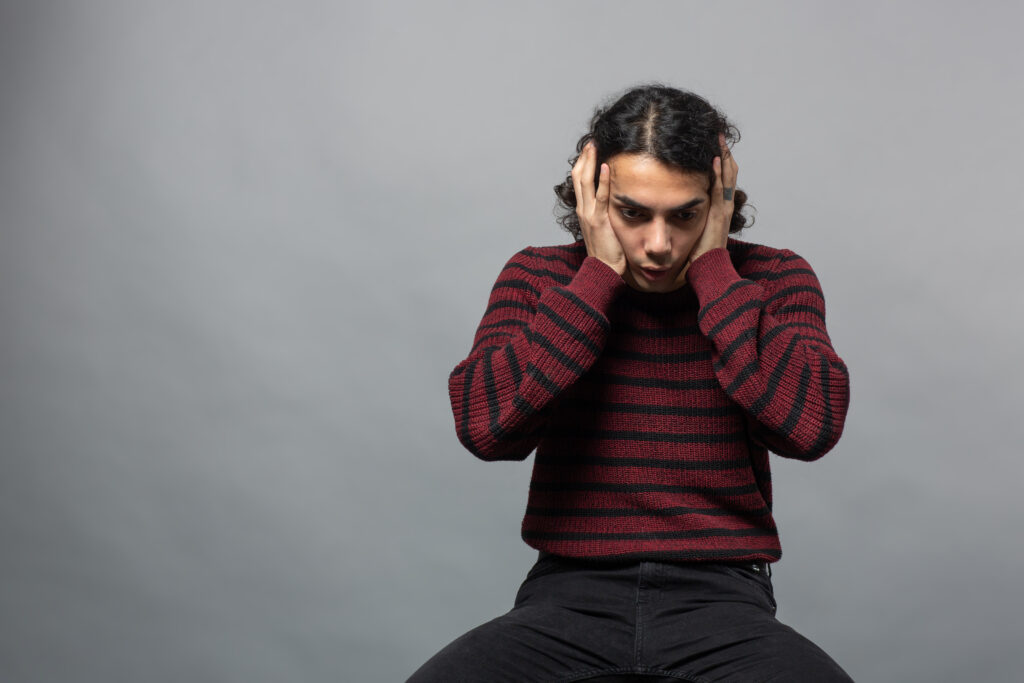

Physical Symptoms
Anxiety often affects the body as much as the mind. Common physical experiences include:
- Rapid heartbeat or palpitations.
- Tightness in the chest.
- Shortness of breath.
- Muscle tension, particularly in the neck and shoulders.
- Headaches or migraines linked to stress.
- Digestive discomfort such as nausea or an upset stomach.
- Sweating, trembling, or dizziness.
- Difficulty falling asleep or staying asleep.
These physical symptoms can sometimes be mistaken for other health conditions, which is why many people seek medical advice before recognising that anxiety may also be contributing to how they feel.
Cognitive Symptoms
Anxiety frequently influences the way we think.
You might experience:
- Constant overthinking.
- Difficulty concentrating.
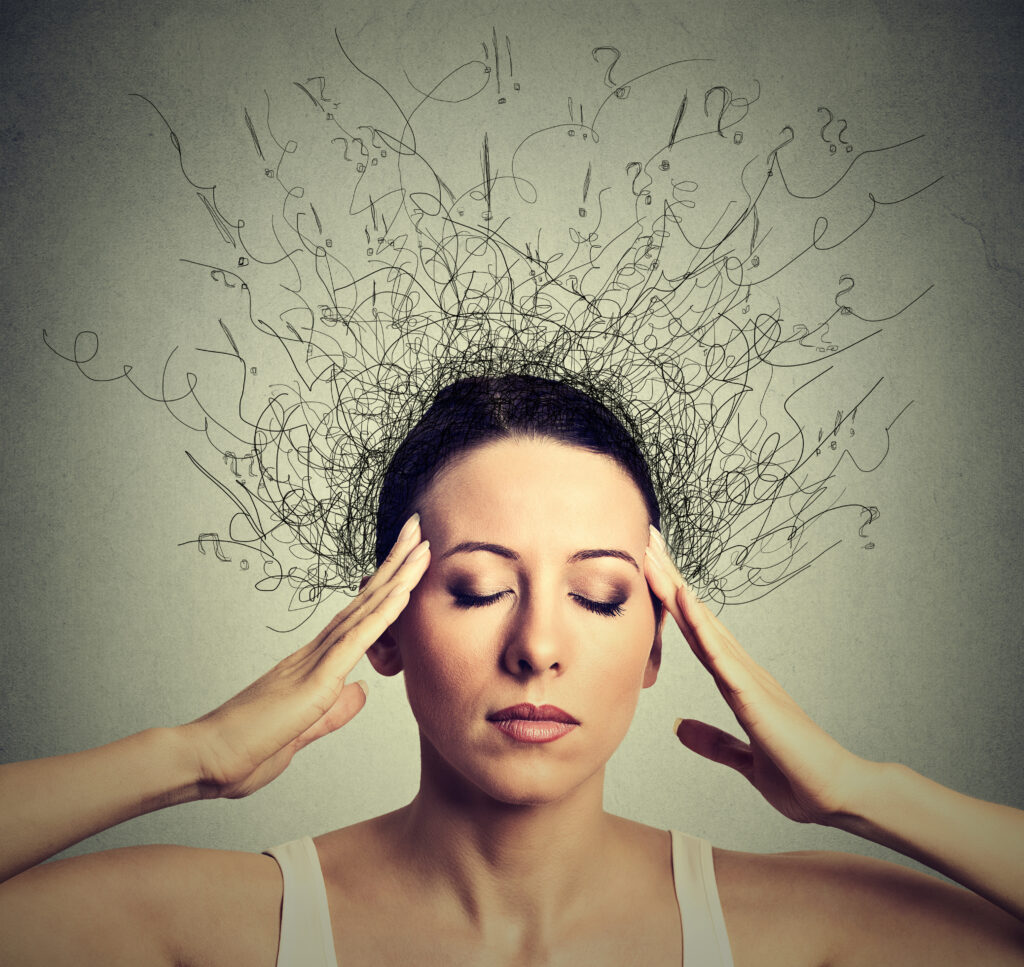
- Racing thoughts.
- Replaying conversations repeatedly.
- Expecting the worst-case scenario.
- Trouble making decisions.
- Feeling mentally "stuck."
Many clients tell us that their minds feel busy all day, leaving little space to relax or enjoy the present moment.
Behavioural Symptoms
Anxiety can gradually change daily habits and routines.
You may find yourself:
- Avoiding social situations.
- Delaying important tasks because they feel overwhelming.
- Frequently seeking reassurance from others.
- Checking things repeatedly.
- Cancelling plans due to worry.
- Becoming overly perfectionistic.
- Avoiding opportunities because of fear of failure or judgement.
Over time, these behaviours can unintentionally strengthen anxiety by limiting opportunities to build confidence and resilience.
Common Causes of Anxiety
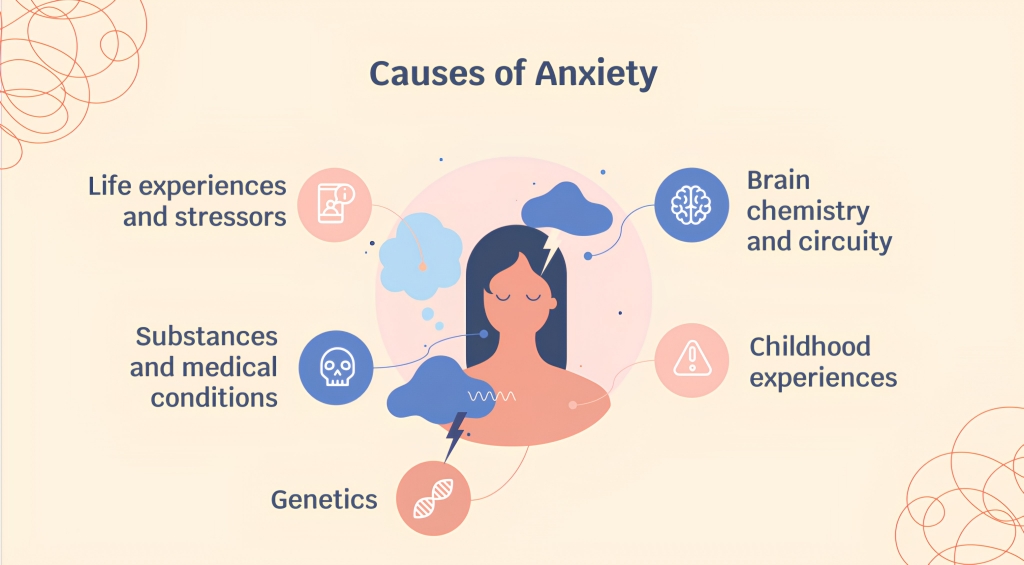
There is rarely a single reason why someone develops anxiety. More often, it results from a combination of personal experiences, biological factors, and current life circumstances. Understanding these contributing factors helps create a therapy plan that addresses the root causes rather than simply managing symptoms.
Ongoing StressLong-term stress at work, financial concerns, caregiving responsibilities, academic pressure, or balancing multiple roles can gradually overwhelm the mind's ability to cope effectively.
Major Life ChangesPositive and challenging transitions alike can trigger anxiety. Examples include:
- Starting a new job.
- Marriage.
- Becoming a parent.
- Moving to a new city.
- Career uncertainty.
- Relationship changes.
- Retirement.
Even exciting milestones can create emotional uncertainty that contributes to anxiety.
Past Experiences
Difficult or distressing experiences—including bullying, emotional neglect, loss, accidents, or other traumatic events—can influence how safe the brain feels in present-day situations. Sometimes anxiety develops immediately after such events, while in other cases it appears months or years later.
Personality and Thinking PatternsPeople who naturally hold themselves to very high standards, worry about disappointing others, or tend to overanalyse situations may be more vulnerable to ongoing anxiety.
Therapy helps identify these patterns and replace them with healthier, more balanced ways of thinking.
Biological FactorsResearch suggests that genetics, brain chemistry, and family history can also play a role. Having a biological predisposition does not mean anxiety is inevitable, but it may influence how someone responds to stress throughout life.


When Should You Consider Anxiety Counselling?
It's common to wonder whether your concerns are "serious enough" for therapy. Many people wait until anxiety has significantly disrupted their lives before seeking support. In reality, counselling can be beneficial much earlier.
You may benefit from professional anxiety counselling if:
- Worry feels difficult to control most days.
- Anxiety is affecting your work, studies, or relationships.
- You frequently avoid situations because they make you anxious.
- Physical symptoms such as rapid heartbeat, muscle tension, or poor sleep occur regularly.
- You find it hard to relax, even during quiet moments.
- Panic attacks or intense episodes of fear have become more frequent.
- You feel emotionally drained from constantly managing anxious thoughts.
- Self-help strategies provide only temporary relief.
- You want to understand yourself better and develop healthier coping strategies.
Seeking support isn't a sign that you've failed to cope on your own. It reflects a willingness to invest in your emotional wellbeing before anxiety becomes more difficult to manage.
At Wellness Casaa, our psychologists work collaboratively with you to understand not only what you're experiencing but also why it is happening. Together, you'll build practical skills that help you respond to anxiety with greater confidence, flexibility, and self-awareness.
How Anxiety Counselling Can Help
Living with anxiety often feels like being caught in a cycle that repeats itself. A worrying thought leads to physical discomfort, the discomfort reinforces the fear, and before long, everyday situations begin to feel overwhelming. Many people try to manage these experiences alone by distracting themselves, avoiding stressful situations, or pushing through their emotions. While these strategies may offer temporary relief, they rarely address the underlying patterns that keep anxiety going.
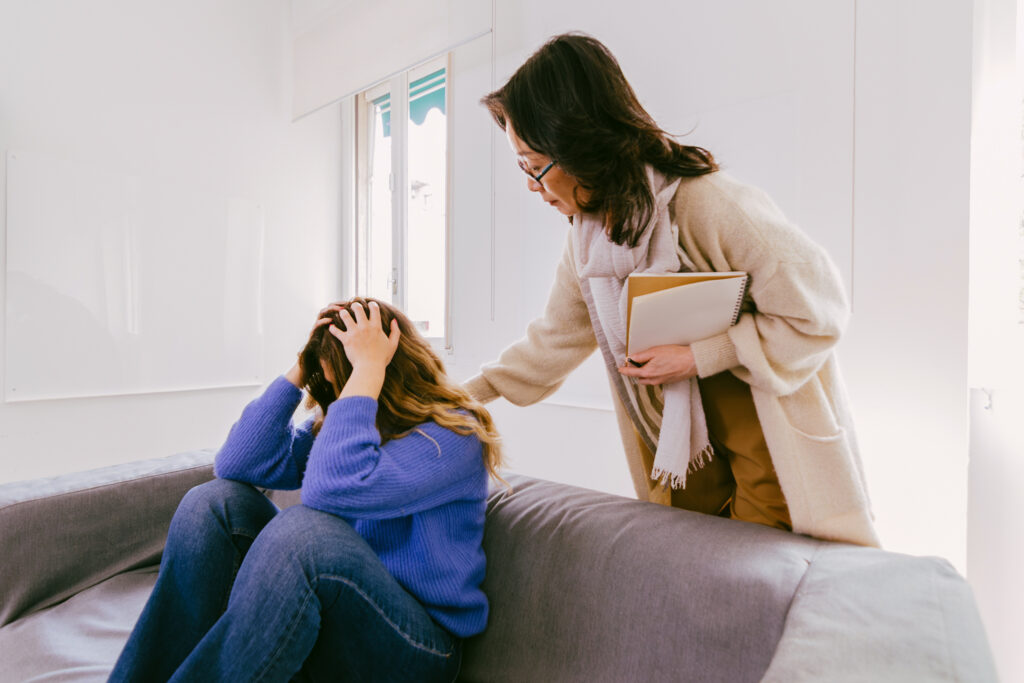
Professional anxiety counselling provides a safe and structured space to understand these patterns and learn healthier ways of responding to them.
At Wellness Casaa, our goal isn't to simply help you "feel better" for a few days. We focus on helping you develop long-term emotional skills so you can respond to life's challenges with greater confidence, clarity, and resilience.
Throughout therapy, your psychologist will work collaboratively with you to understand how anxiety shows up in your life. Together, you'll identify the situations that trigger anxiety, explore the thoughts and beliefs connected to those experiences, and gradually build practical coping strategies that fit your lifestyle and personal goals.
Therapy is never about telling you what to do. It is a collaborative process where your experiences, values, and pace of progress are respected every step of the way.
Our Approach to Anxiety Counselling at Wellness Casaa
Every person's experience with anxiety is different. Someone preparing for competitive exams may struggle with performance anxiety, while another person may feel overwhelmed in social situations or experience persistent worry about health, relationships, or work. Because of this, we avoid one-size-fits-all solutions.
Our therapists begin with a comprehensive assessment to understand your concerns, emotional history, current challenges, strengths, and therapy goals. This helps us create a personalised treatment plan designed specifically for your needs.
Step 1: Understanding Your StoryThe first few sessions focus on getting to know you—not just your symptoms.
We explore questions such as:
- When did the anxiety begin?
- What situations make it worse?
- How is it affecting your daily life?
- What coping strategies have you already tried?
- What changes would you like to see through therapy?
By understanding the bigger picture, we can recommend interventions that are both practical and meaningful.
Step 2: Building AwarenessMany people experience anxiety on "autopilot" without recognising the thoughts and behaviours that maintain it.
Together, we help you identify:
- Patterns of overthinking.
- Unhelpful self-talk.
- Avoidance behaviours.
- Perfectionistic expectations.
- Emotional triggers.
- Physical signs that anxiety is increasing.
Greater awareness allows you to recognise anxiety earlier and respond more effectively.
Step 3: Learning Practical Coping SkillsTherapy is not only about talking—it is also about learning.
Depending on your needs, sessions may include techniques to help you:
- Challenge anxious thinking patterns.
- Improve emotional regulation.
- Build self-confidence.
- Reduce avoidance behaviours.
- Manage panic symptoms.
- Improve communication.
- Strengthen problem-solving skills.
- Develop healthier daily routines.
- Build resilience during stressful periods.
These skills are practised gradually so they become part of your everyday life rather than techniques used only during difficult moments.
Step 4: Supporting Long-Term ProgressAs therapy progresses, we focus on helping you become increasingly confident in managing anxiety independently.
Rather than creating dependence on therapy, our aim is to equip you with practical tools that continue supporting your wellbeing long after counselling has ended.
Regular progress reviews help ensure that therapy remains aligned with your goals and adapts to your changing needs.
Evidence-Based Therapies We May Use
Our psychologists use scientifically supported therapeutic approaches that are selected according to each individual's concerns rather than following a single method for everyone.
Depending on your assessment, your therapy plan may include one or more of the following approaches.
Cognitive Behaviour Therapy (CBT)CBT is one of the most widely researched approaches for anxiety.
It helps you recognise how thoughts, emotions, physical sensations, and behaviours influence one another. Instead of automatically believing anxious thoughts, you'll learn to evaluate them more realistically and develop healthier responses.
Many clients find CBT especially helpful for excessive worrying, panic symptoms, social anxiety, and performance-related anxiety.

Mindfulness-Based Techniques
Anxiety often keeps people focused on future uncertainties.
Mindfulness practices help develop greater awareness of the present moment without becoming overwhelmed by anxious thoughts.
These techniques can improve emotional regulation, concentration, and the ability to respond calmly during stressful situations.
Acceptance and Commitment-Based Strategies
Some experiences cannot be completely controlled. Rather than struggling against every anxious thought, acceptance-based approaches teach you how to make room for uncomfortable emotions while continuing to move towards what matters most in your life.
This approach helps reduce the impact anxiety has on your decisions and daily activities.
Relaxation and Emotional Regulation Techniques
Physical symptoms such as muscle tension, rapid breathing, or a racing heartbeat can make anxiety feel even more intense.
Your psychologist may introduce practical exercises to help calm your nervous system, improve body awareness, and reduce physiological stress responses.
Psychoeducation
Understanding why anxiety happens often reduces fear itself.
Throughout counselling, you'll learn how anxiety affects the brain and body, what maintains anxious cycles, and why certain therapeutic strategies are effective. This knowledge empowers you to make informed decisions about your mental wellbeing.
What to Expect During Your Counselling Sessions
Beginning therapy can feel unfamiliar, especially if you've never spoken to a psychologist before. Many people worry about being judged or not knowing what to say.
At Wellness Casaa, we strive to make the process comfortable, respectful, and collaborative.
During your sessions, you can expect:
- A confidential and non-judgemental environment.
- Time to discuss your concerns openly.
- Active listening from your psychologist.
- Practical strategies tailored to your situation.
- Clear treatment goals developed together.
- Regular opportunities to review your progress.
- Flexibility to adjust therapy according to your evolving needs.
There is no pressure to share everything immediately. Therapy develops gradually, allowing trust to build naturally over time.

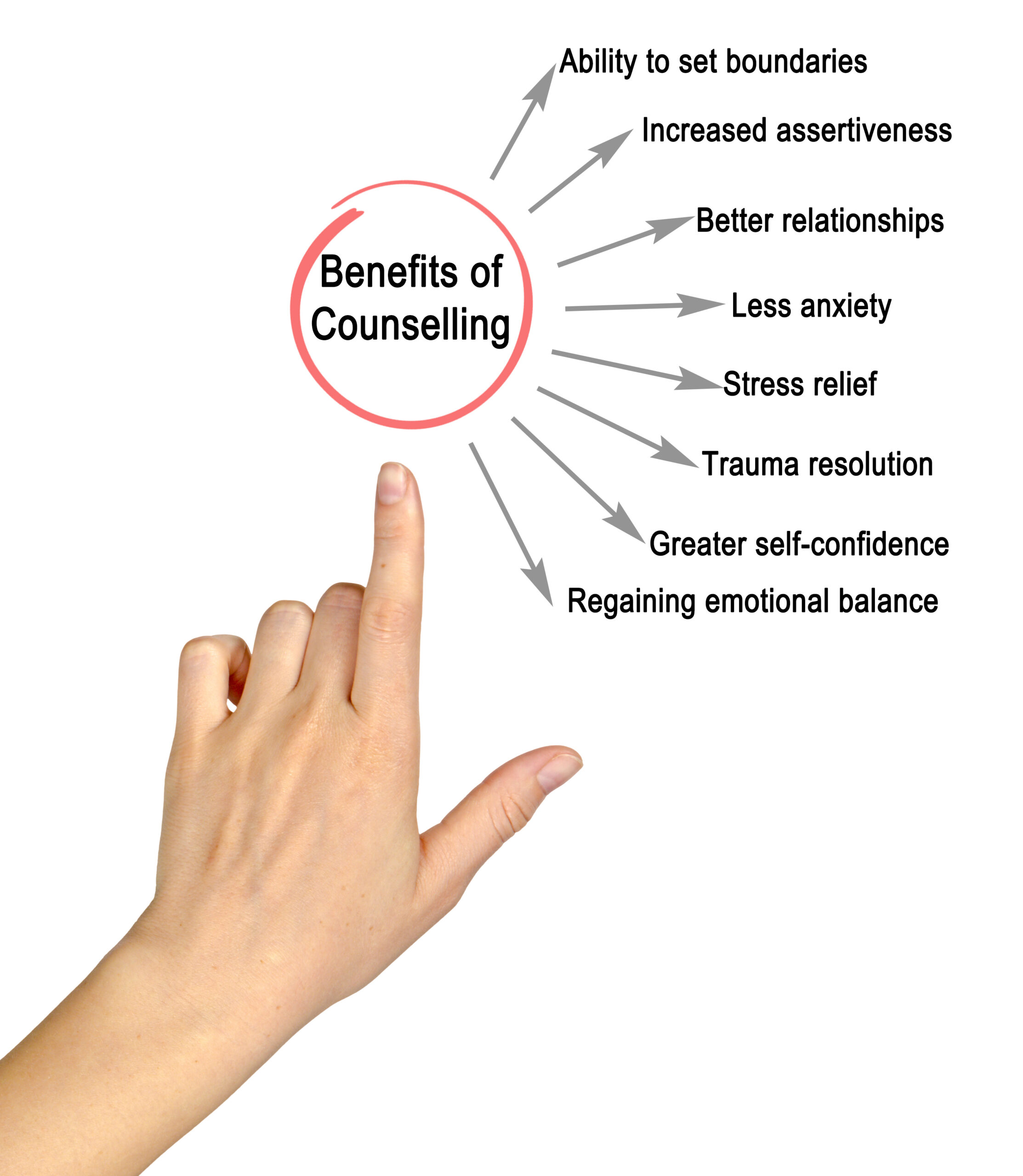
Benefits of Professional Anxiety Counselling
People often begin therapy hoping to reduce anxiety, but many discover broader improvements in different areas of life as well.
With consistent participation, counselling may help you:
- Feel calmer during stressful situations.
- Reduce excessive worrying and overthinking.
- Build healthier coping strategies.
- Improve confidence when making decisions.
- Sleep more peacefully.
- Strengthen personal and professional relationships.
- Manage panic symptoms more effectively.
- Improve concentration and productivity.
- Develop greater emotional resilience.
- Increase self-awareness and self-compassion.
- Feel more present and engaged in everyday life.
Progress is different for everyone. Rather than expecting perfection, therapy focuses on helping you build sustainable skills that support long-term wellbeing.
Why Choose Wellness Casaa for Anxiety Counselling?
Choosing a therapist is an important decision. Effective therapy depends not only on clinical knowledge but also on feeling understood, respected, and supported throughout the process.
At Wellness Casaa, we combine professional expertise with a compassionate, client-centred approach to mental healthcare.
Experienced Mental Health ProfessionalsOur counselling services are provided by qualified psychologists who use evidence-based therapeutic approaches while recognising that every client's experiences and goals are unique.
Personalised Treatment PlansNo two people experience anxiety in exactly the same way.
Rather than following a standard programme, we develop therapy plans that reflect your specific challenges, strengths, preferences, and pace of progress.
Confidential & Ethical CareYour privacy matters.
Every counselling session is conducted with strict confidentiality and professional ethics, creating a safe environment where you can speak openly about your experiences.
A Collaborative Therapeutic RelationshipWe believe therapy works best when it is a partnership.
Your psychologist will involve you in setting goals, reviewing progress, and deciding the direction of treatment, ensuring that your voice remains central throughout the counselling process.
Flexible Therapy OptionsWe offer:
- In-person anxiety counselling in Lucknow.
- Secure online counselling sessions across India.
- Flexible appointment scheduling.
- Continued support based on your individual therapy plan.
While reducing anxiety is an important goal, our broader aim is to help you develop lasting emotional resilience, healthier coping strategies, and greater confidence in navigating future challenges independently.
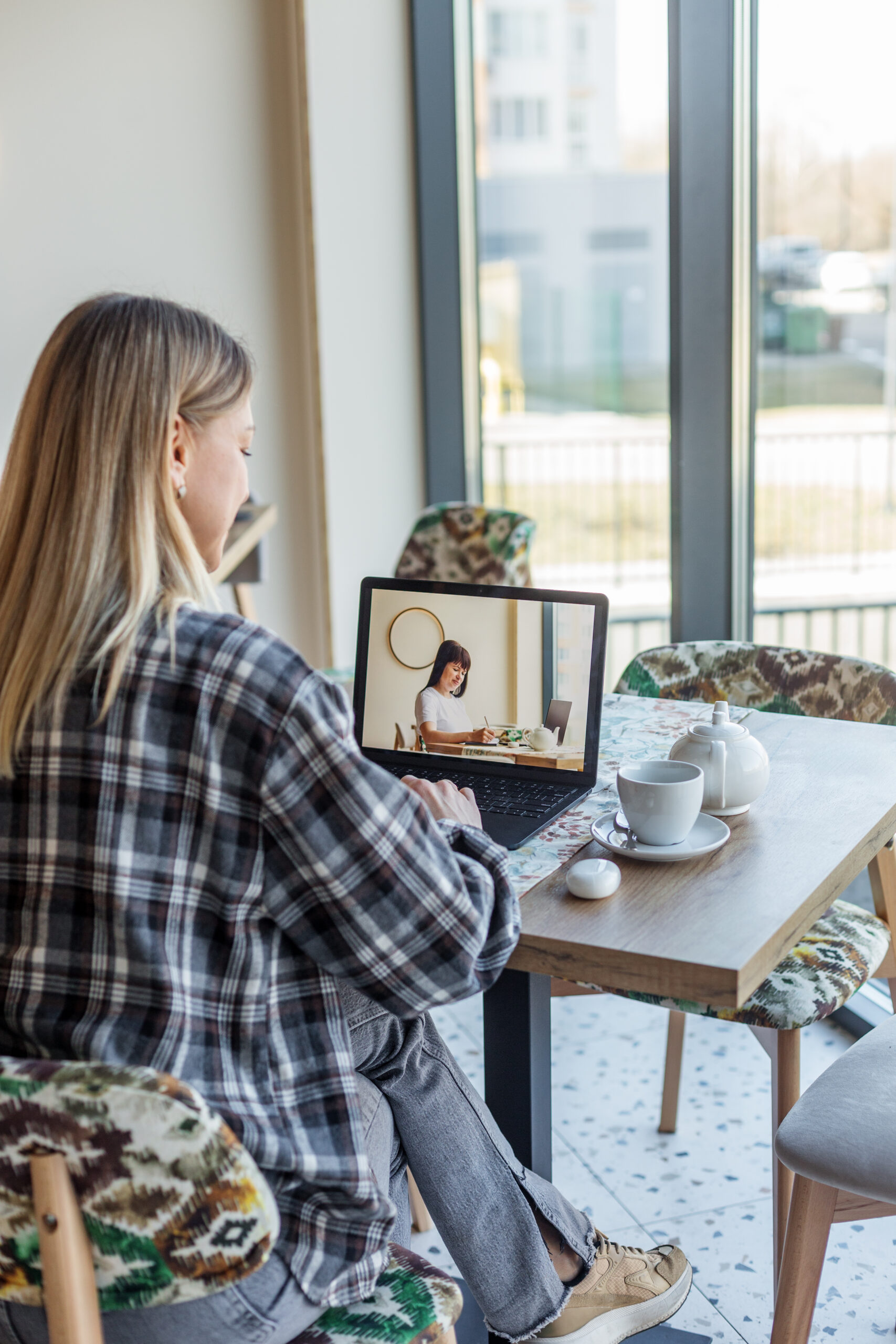
Anxiety Counselling in Lucknow & Online Across India
If you're searching for a trusted psychologist for anxiety in Lucknow or prefer the convenience of online therapy, Wellness Casaa provides accessible and professional mental health support tailored to your needs.
Our in-person counselling services offer a comfortable, private space where you can speak openly with an experienced psychologist. For individuals who live outside Lucknow, have busy schedules, or simply prefer receiving support from home, we also provide secure online counselling sessions that maintain the same level of care, confidentiality, and personalised attention.
Whether you choose to meet us at our clinic or connect virtually, our commitment remains the same—to provide compassionate, evidence-based anxiety counselling that supports your emotional wellbeing and helps you move forward with confidence.
Who Can Benefit from Anxiety Counselling?
Anxiety does not affect everyone in the same way. It can appear at different stages of life, be triggered by different experiences, and influence people in unique ways. Some individuals seek therapy after years of struggling, while others recognise the early signs and choose to get support before anxiety begins affecting their relationships, career, or overall wellbeing.
At Wellness Casaa, we work with individuals from diverse backgrounds, tailoring therapy to their personal experiences and goals.
You may benefit from anxiety counselling if you are:
Working ProfessionalsHigh workloads, tight deadlines, workplace expectations, and career uncertainty can contribute to ongoing stress and anxiety. Therapy can help you manage work-related pressure, improve emotional balance, and prevent burnout.
Students and Young AdultsAcademic pressure, competitive examinations, career decisions, social expectations, and life transitions often create emotional challenges. Counselling provides practical strategies to manage anxiety while building confidence and resilience.
Parents and CaregiversBalancing family responsibilities, parenting concerns, financial commitments, and personal wellbeing can become overwhelming. Therapy offers a supportive space to process these challenges while strengthening healthy coping skills.
Individuals Experiencing Major Life ChangesMoving to a new city, changing careers, marriage, parenthood, relationship changes, or retirement can all increase uncertainty and emotional stress. Professional support can make these transitions easier to navigate.
People Living with Persistent WorryIf your mind rarely feels at rest and you constantly anticipate worst-case scenarios, therapy can help you understand these patterns and develop healthier responses.
Individuals Recovering from Difficult ExperiencesPast emotional distress, grief, traumatic experiences, or prolonged periods of stress may contribute to ongoing anxiety. Counselling provides a safe environment to process these experiences and move forward at your own pace.
No matter where you are in your journey, seeking support is a proactive step towards improving your emotional wellbeing—not a sign of weakness.
Everyday Strategies That Can Support Anxiety Management
While professional counselling addresses the deeper patterns that contribute to anxiety, certain daily habits can also support emotional wellbeing between therapy sessions.
These strategies are not intended to replace therapy but can complement the work you do with your psychologist.
Establish a Consistent RoutinePredictable routines can help reduce uncertainty and create a greater sense of stability during stressful periods.
Prioritise Restful SleepSleep and anxiety influence each other. Creating a healthy sleep routine can improve emotional regulation and concentration.
Stay Physically ActiveRegular movement supports both physical and mental wellbeing. Even moderate activities such as walking, yoga, or stretching may help reduce stress.
Limit Information OverloadConstant exposure to distressing news or excessive social media use can increase feelings of anxiety. Setting healthy boundaries with digital media may improve emotional balance.
Practise MindfulnessSimple mindfulness exercises can help you become more aware of your thoughts without immediately reacting to them.
Stay ConnectedSpeaking with trusted friends or family members can reduce feelings of isolation and remind you that support is available.
If anxiety continues to interfere with your daily life despite these efforts, professional counselling can help you develop more personalised and effective coping strategies.
Frequently Asked Questions (FAQs)
Early signs of anxiety may include excessive worrying, restlessness, racing thoughts, irritability, difficulty concentrating, muscle tension, fatigue, rapid heartbeat, and changes in sleep or appetite. If these symptoms persist and begin affecting your daily life, seeking professional support can be beneficial.
If anxiety is interfering with your work, relationships, studies, sleep, or overall quality of life, counselling may help. You don’t have to wait until symptoms become severe—early intervention often leads to better outcomes.
Healthy habits such as regular exercise, mindfulness, deep breathing, quality sleep, a balanced diet, and limiting caffeine may help reduce anxiety. However, if anxiety persists or worsens, working with a psychologist can provide effective long-term strategies.
Mild anxiety caused by temporary life situations may improve over time. However, persistent or recurring anxiety often requires professional support. Counselling can help identify the underlying causes and teach effective coping skills to manage symptoms.
Anxiety activates the brain’s stress response, keeping it in a heightened state of alertness. Over time, chronic anxiety can affect concentration, memory, emotional regulation, and decision-making. Therapy helps retrain unhelpful thought patterns and reduce the brain’s stress response.
Cognitive Behavioural Therapy (CBT) is one of the most effective treatments for anxiety. Depending on your needs, your psychologist may also use therapies such as Acceptance and Commitment Therapy (ACT), Mindfulness-Based Therapy, Exposure Therapy, or other evidence-based approaches.
A psychologist helps you understand the thoughts, emotions, and behaviours contributing to anxiety. Through evidence-based therapy, you’ll learn practical coping techniques, emotional regulation skills, and healthier ways to respond to stressful situations.
Recovery varies from person to person. Some people notice improvements within a few therapy sessions, while others benefit from longer-term support. Progress depends on factors such as the severity of anxiety, treatment goals, and individual commitment to therapy.
Yes. Anxiety can make it difficult to concentrate, meet deadlines, make decisions, participate in meetings or classes, and maintain productivity. Professional counselling can help improve confidence, focus, and stress management.
Overthinking can be managed by identifying unhelpful thought patterns, practising mindfulness, focusing on problem-solving rather than worst-case scenarios, and learning cognitive techniques through therapy. A psychologist can help you develop personalised strategies to reduce overthinking.
Feeling anxious occasionally is a normal human response to stress or uncertainty. Anxiety becomes a mental health condition when it is excessive, persistent, difficult to control, and significantly affects daily functioning or relationships.
Stress is typically a response to an identifiable situation or challenge and often decreases once the situation resolves. Anxiety can continue even when there is no immediate threat and may involve ongoing worry, fear, or physical symptoms that persist over time.
Yes. Children and teenagers can experience anxiety related to school, friendships, family changes, social situations, or other life events. Early counselling can help young people develop healthy coping skills and improve emotional wellbeing.
Yes. Research shows that online counselling can be highly effective for many anxiety-related concerns when provided by qualified mental health professionals. It offers flexibility, convenience, and access to support from the comfort of your home.
You should consider seeing a psychologist if anxiety is persistent, difficult to control, causes panic attacks, affects your work, studies, relationships, or sleep, or prevents you from enjoying daily life. Seeking help early can improve recovery and overall wellbeing.
Take the First Step Towards Better Emotional Wellbeing
Living with anxiety can be exhausting, but it doesn't have to define your future. With the right support, it is possible to better understand your emotions, develop healthier coping strategies, and regain confidence in your daily life.
At Wellness Casaa, we are committed to providing compassionate, evidence-based anxiety counselling in a safe and supportive environment. Whether you are taking your first step towards therapy or returning after previous counselling, our psychologists are here to support you with professionalism, empathy, and respect.
Every journey begins with a conversation—and that conversation can begin today.
Book Your Anxiety Counselling SessionIf anxiety is affecting your work, relationships, studies, or overall wellbeing, professional support is available.
Our experienced psychologists provide:- Personalised therapy plans
- Confidential counselling sessions
- Evidence-based therapeutic approaches
- In-person appointments in Lucknow
- Secure online counselling across India
- Ongoing support tailored to your goals